
 Transparency

Former CAC Board Member Highlights New Efforts to Improve In-Home Care Quality
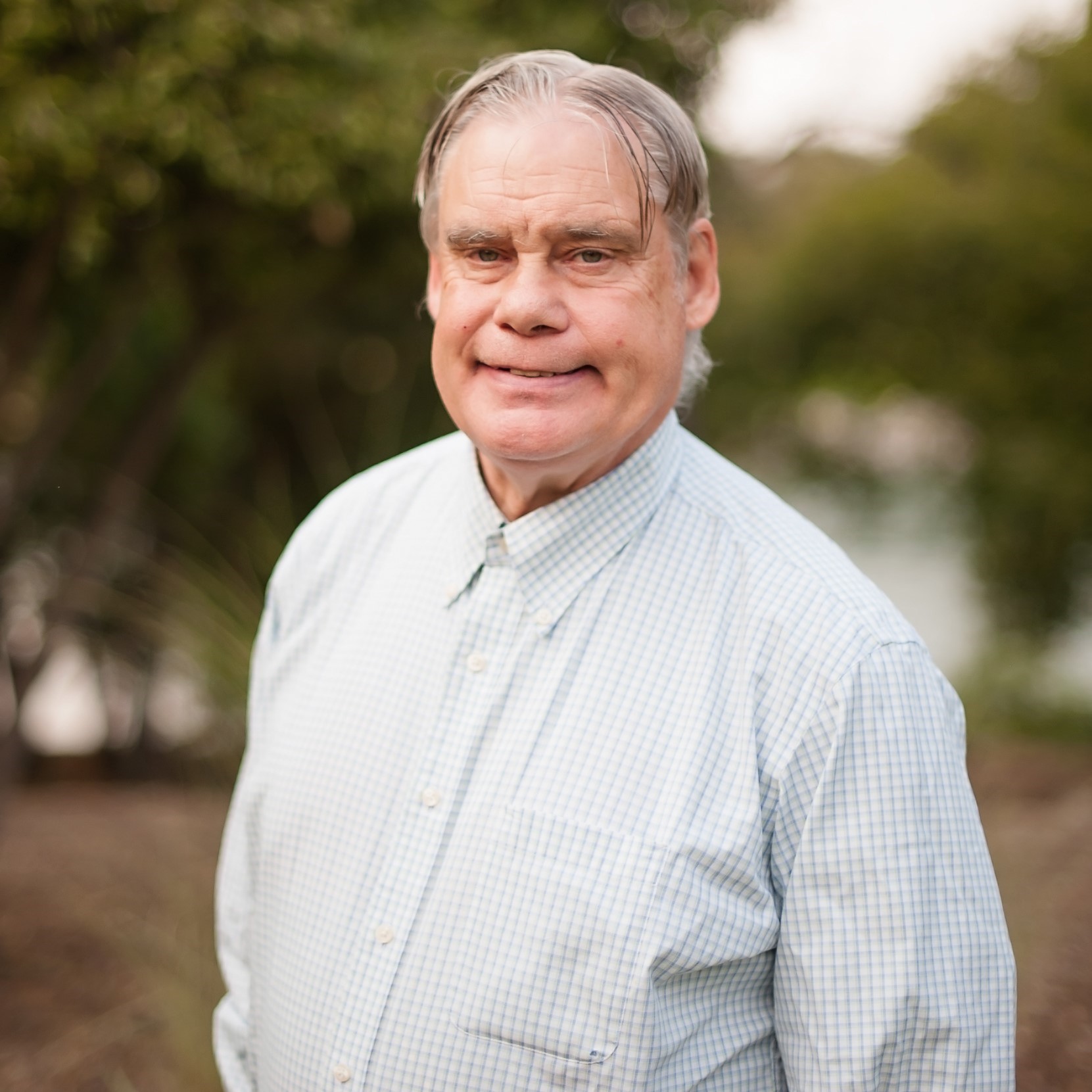
Author, Tre K.
REDDING, Calif. — Andreas Economopoulos, a former board member of the Client Advisory Committee (CAC) at Far Northern Regional Center, is speaking out about a growing effort to improve the quality of in-home care — and the vital role self-advocates with lived experience are playing in shaping that effort.
The initiative is connected to the Community Care Licensing Division (CCLD) of the California Department of Social Services, which is responsible for licensing and overseeing more than 60,000 community care facilities throughout the state. These facilities include residential care homes for the elderly, children, and adults with disabilities. The CCLD ensures that care providers meet health and safety standards and that residents’ rights are protected.
Economopoulos was invited to take part in a CCLD-related training effort that brings together care home analysts — individuals trained to inspect and evaluate licensed facilities — with individuals who have firsthand experience living in care homes. He and other self-advocates served as panelists to help train new analysts.
“The purpose of this program is they go in and make sure that care homes are operated, like, making sure they’re getting their rights and they’re getting what they want… not just taking care of them for the money,” said Economopoulos, who recently served as a panelist in a training hosted by the division.
In partnership with groups like UC Davis and developmental services agencies, CCLD trains new care analysts — professionals tasked with visiting and evaluating licensed care homes. As part of that training, Economopoulos and others with disabilities were invited to share their personal experiences living in care homes.
“They chose me and some other people with disabilities to be speakers on a panel,” he said. “They actually got a chance to listen to those with disabilities that used to be in a care home and take their suggestions.”
Panelists rotated between training groups, answering questions and offering feedback on how care could be improved. The experience was not just symbolic — participants were compensated for their time.
“They weren’t just picking a bunch of people and putting them on a panel and saying, ‘Thank you very much.’ We actually got paid for doing this service,” he said. “It’s a wonderful job opportunity for members of this community.”
Economopoulos emphasized how important this opportunity is for self-advocacy — not only giving people with disabilities a seat at the table but treating their insight as expert guidance.
“It’s very important because the more we get out there, the more people are going to learn about us and hopefully treat us better,” he said. “We still got a long ways to go yet.”
He hopes programs like this one inspire similar efforts in other sectors, such as education. “Maybe they can have people like people with disabilities say, ‘Hey, this is what I didn’t like about my special education teacher,’” he suggested.
To learn more about the Community Care Licensing Division and its work, visit cdss.ca.gov/inforesources/community-care-licensing.
FNRC and IVFD Team Up to Share Crucial Heat Safety Tips Ahead of Summer

By Travis McIvor and Adrian Hugo with Assistance from Tre Keys
REDDING, Calif. — As Northern California heads into another summer expected to bring high temperatures and fire risk, local emergency and safety leaders urge residents to take proactive steps to stay safe and prevent emergencies.
Adrian Hugo, a volunteer firefighter with the Indian Valley Fire Department and a member of the Far Northern Coordinating Council’s Consumer Advisory Committee, and Travis McIvor, Emergency Response and Safety Assistant at Far Northern Regional Center (FNRC), are working together to educate the public about heat and fire safety.
“We really want people to be safe when they’re outdoors,” said Hugo. “Drink plenty of water. Stay hydrated. Be aware of your surroundings. If you’re out hiking, wear a camel pack, wear appropriate clothing, and be careful where you go.”
McIvor emphasized the danger of rising temperatures. “In 2024, there were 64 days of 100+ degree temperatures,” he noted. “Sunburns, dehydration, and heatstroke are just a few of the risks we need to be aware of.”
McIvor warned that heatstroke is especially dangerous. “If you feel dizzy, have cramps, difficulty breathing, and stop sweating, these are signs you’re headed toward heatstroke,” he said. “Cool the person down quickly—get them into an air-conditioned room, place cool wet towels on their armpits, and have them sip water. If they don’t improve, call 9-1-1.”
Both McIvor and Hugo stressed moderation during outdoor activities. “Do not overdo it,” said McIvor. “Take frequent breaks, especially in a cool building or the shade. Older adults, children, diabetics, and individuals who are overweight are at greater risk for heat-related injuries.”
Hugo also shared fire safety tips ahead of summer holidays like the Fourth of July: “Only trained personnel should be lighting fireworks. And for barbecues, make sure you’re set up away from dry vegetation like pine needles that can catch fire. Always turn off your propane and smother the fire when you’re done.”
He added, “Have a go-bag ready in case you have to evacuate. Clean at least 100 feet around your home, make sure you have a burn permit, and keep tools like a shovel, rake, and hose nearby.”
Looking ahead, Hugo will speak about emergency preparations and evacuation at the People First Conference, May 16–18 at the DoubleTree in Sacramento. “I’ll be doing a breakout session,” he said. “It’s important we keep talking about these things.”
With a summer of fun and fire risk on the horizon, both Hugo and McIvor want residents to enjoy the season safely. “There are a lot of fun things to do in Northern California during summer,” said McIvor, “but we need to do them smart. Make healthy choices so you get to see many more summers ahead.”
Advocates Champion the Rights of People with Disabilities Through Education and Support
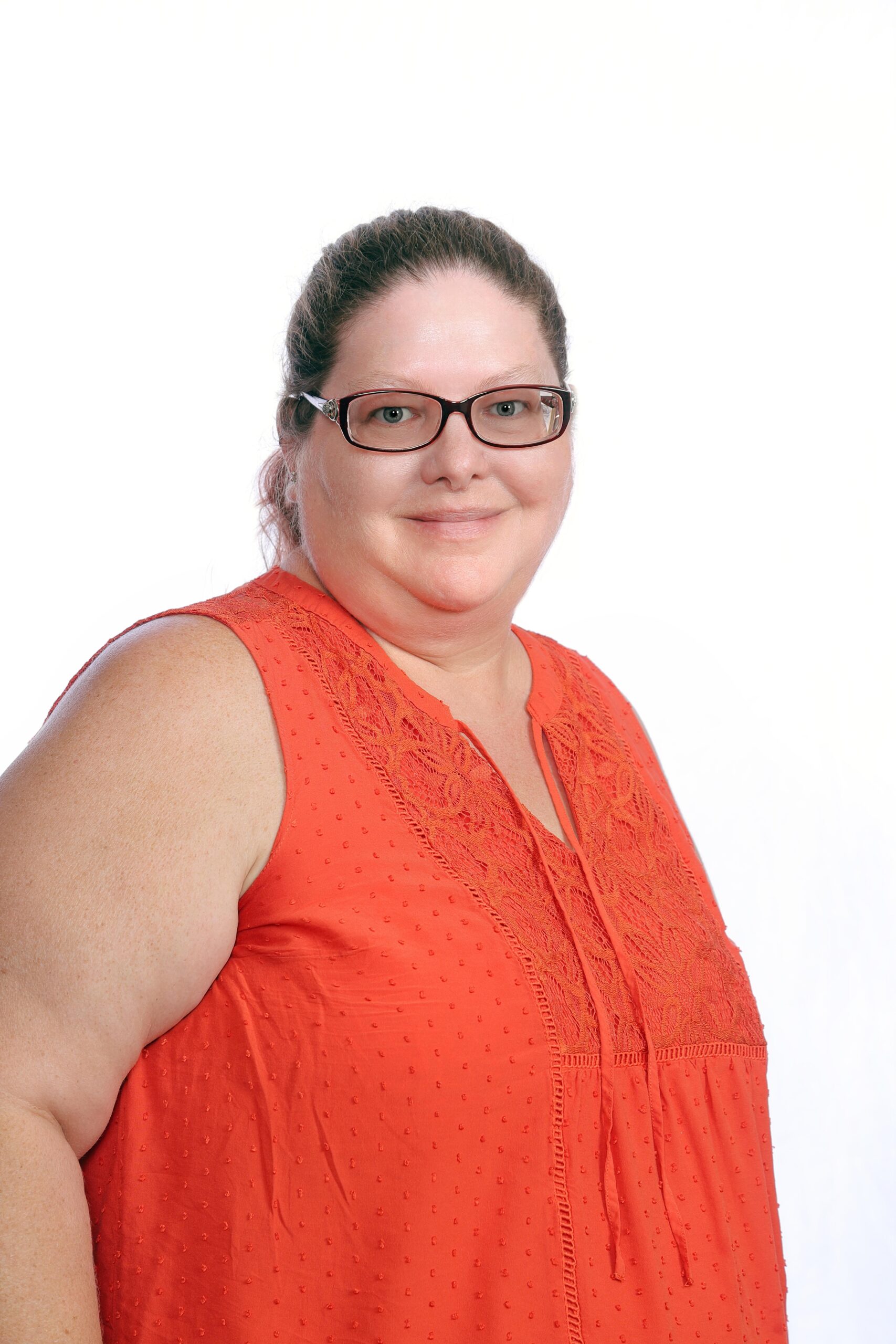
Author, Tre K.
REDDING, Calif. — For people with developmental disabilities, knowing and defending their rights can be a powerful path to independence. That’s where the Office of Clients’ Rights Advocacy (OCRA) steps in, offering critical support through advocacy and education.
“OCRA is a program under Disability Rights California, our statewide protection and advocacy agency that serves all people with disabilities,” said Tammy Solano, Clients’ Rights Advocate for Far Northern Regional Center. “We provide free legal and advocacy support to clients of the regional centers.”
Solano explained that the focus of OCRA is to help individuals with developmental disabilities understand and defend their rights, whether in school systems, social service programs, or the broader community.
“Historically, the rights of people with disabilities have been suppressed—from access to education and employment, to even voting,” Solano said. “Civil rights movements, including the ADA and Voter Rights Act, have been monumental in ensuring people with developmental disabilities have the same rights as everyone else.”
Kimberly, a board member of the Consumer Advisory Committee (CAC) at Far Northern Regional Center, knows firsthand how powerful that support can be. She recalled an experience from nearly two decades ago when OCRA helped her understand confusing court documents.
“They helped me understand the wording of the court, what the next step I needed to do was,” Kimberly said. “Because they can’t tell you exactly how to do stuff with the court, but they give you advice and help you understand what you need to do.”
For Kimberly, client rights mean more than just legal protections—they’re tools for empowerment.
“It gives tools to be a better advocate for ourselves when we seek out the clients’ rights,” she said. “If we don’t know our rights, it’s harder for people with disabilities to know our rights.”
Solano echoed that sentiment, emphasizing OCRA’s role in guiding clients based on individual needs.
“We do an intake, clarify what the issue is, and then see how we can support them—whether that’s providing legal information, helping educate the program they’re in, or representing them,” Solano said.
For those unsure about seeking help, Kimberly offers clear advice: “Keep reaching out to them. Or talk to your service coordinator. Maybe the State Council can also help get your voice heard.”
As Solano put it, the goal is simple but vital: “To make sure people with disabilities are on equal footing, able to live their most independent and settled life.”
For more information about Clients’ Rights Advocacy services, visit https://www.disabilityrightsca.org.
Weaverville Bowling Alley Reopens, Bringing Community and Special Olympics Together

Author, Tre K.
WEAVERVILLE, Calif. — Trinity Lanes, the long-shuttered bowling alley in Weaverville has officially reopened its doors, marking a new chapter for the cherished community hub and laying the groundwork for inclusive recreation through partnerships with groups like Special Olympics.
Co-owners Debbie Laffranchini and Jim Underwood spent the last six months restoring the space, driven by both community spirit and personal mission.
“I was approached to see if I was interested in resurrecting the bowling alley for the community and creating a fun center, and I said yes,” said Laffranchini. A retired professor of child development and mother to a 42-year-old son with Down syndrome and autism, Laffranchini emphasized the project’s personal importance. “What it means to me is to bring back something in our community that almost everybody has a memory [of]. People come in here and they say, ‘I used to bowl in this lane.’”
For Underwood, who grew up in Weaverville and recently returned after three decades away, the bowling alley’s revival is steeped in nostalgia. “As a kid, I bowled here. My parents bowled here. It was a community center in a lot of ways,” he said. “In the 55 years since it opened, it’s really served a lot of generations.”
The reopening plans include public bowling, party and event bookings, and the return of league play starting in September. “At one point, there were five different leagues that were active. We hope to re-initiate those,” said Underwood. “More importantly, we’re just going to expand the community serve… schools, outside communities… we hope to renew that.”
Special Olympics Shasta County was among the first groups to take part in the reopening, with athletes arriving for a bowling event supported by volunteer Mike Kiley.
“We knew Trinity wanted to come take a little bit bigger swing with their efforts in Special Olympics, starting with bowling,” said Kiley. “We just collaborated with them to be here, and we’re excited to be with them.”
The collaboration signals a broader effort to revitalize Special Olympics programming in the region following setbacks during the pandemic. “Covid kind of stifled a lot of things… so post-Covid, we needed to kind of revitalize it,” Kiley said. “Part of the revitalization is to let the communities know that Special Olympics is up and going.”
Though the Weaverville facility’s eight-lane setup may limit the size of future events, Kiley sees potential for growth. “Maybe like a subregional, you know, a qualifier to get to go to the next level,” he said. “We want to have the grassroots start here where they can practice and develop their skills on a local level.”
With its doors now open, the revitalized bowling alley stands as a renewed beacon of fun, inclusion, and connection for Weaverville and beyond.
Grassroots Day Speaking Up for Our Rights
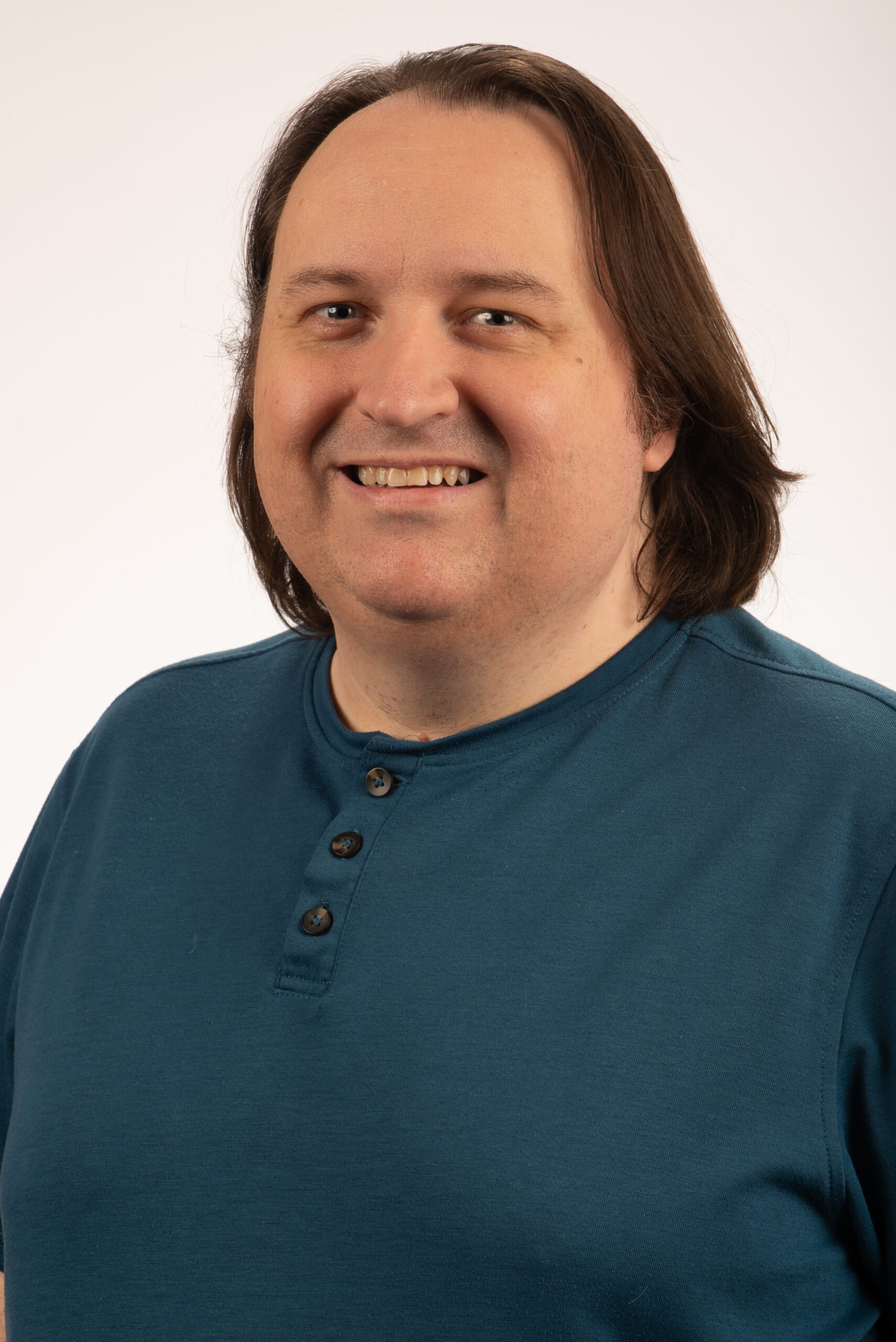
Author, William M.
In March the Vote Project traveled to Sacramento, to meet with our representatives for Grassroots Day to talk about the importance of the regional center system for people with disabilities. On the first day of the two-day event, we had a training on how to meet with legislature members. We learned how to talk to policymakers and effectively share our stories with them. People with disabilities must share their stories so policymakers protect the services they receive. Speaking up for ourselves is one key way in which we preserve the services that make our lives better. Each person has a different set of needs and no two people require the same services. So it is vital that everyone lets people know what services they need to live full lives. People can write letters or even email their representatives if they can’t meet them in person. No matter how a person shares their story it is important that our legislature members know that the services we receive are important to us and must be protected. Other training included on the first day involved learning the budget and legislative processes as well as how to share our stories effectively.
The next day we went to the state capital where we spoke to legislature members and their staff. There were key talking points that ARCA, the Association of Regional Center Agencies, asked us to mention during our meetings. One of these points was the 40th anniversary of the California Supreme Court saying in a ruling that the Lanterman Act was an entitlement for people with disabilities. In the ruling, the court stated each person’s IPP was a contract with the state promising them services that allowed them to live more independent and productive lives in their communities. People with disabilities must learn about these rights and how to fight to protect them if they wish to be full participants in the community. The services that we receive from Far Northern Regional Center (FNRC) were established as entitlements by the court in that ruling.
Advocates from across the state went to the capitol during Grassroots Day to speak up for their services and they all shared their stories on why the Lanterman Act must be preserved for future generations. The regional center system gives us a way to contribute as citizens of the places where we live, and not just people who need to be taken care of. Without these services we would struggle to share our voices and concerns with our fellow citizens. We could even be forced back into the institutions where we would not have our rights respected. As advocates it is our responsibility to speak up for ourselves and defend the services we receive from FNRC and other regional centers.
These services include being able to socialize and participate in the community. One way FNRC supports its clients is supporting the Vote Project. The Vote Project presents to programs and classes the importance of voting to individuals with disabilities. The vote team also helps people register so they can vote in elections. They also have Voter Information Meetings where they talk about the candidates and issues on voters’ ballots. Another way FNRC supports its clients is through its support of People First, which is an advocacy group run by and for people with disabilities. People First is a safe place where people can go to make new friends and speak up for themselves. Members play games, share meals, and even decide how to support their community. They even vote for officers who run the meetings. It is important for individuals with disabilities to have places like People First where they can learn how to be civically engaged where they live. The Lanterman Act grants people with disabilities rights and People First helps them stand up for those rights through teaching them advocacy.
On Grassroots Day advocates from across the state go to the capitol to share their stories of the services they receive from regional centers. Not everyone may be able to travel to the capitol to speak to their representatives, but they can still find ways to share their stories. They can do this by writing letters, talking to their friends and family about what’s important to them, or they could even vote for candidates that want to protect their services.
Grassroots Day is the perfect time to celebrate the 49th Anniversary of the Lanterman Act. The law was fought for by individuals with disabilities and their families, who went to legislators to have their rights respected. Advocates wanted people with disabilities to be seen the same as everyone else. Individuals with disabilities must speak up and fight for their rights so they can continue live the lives they want.
To download the full newsletter, click here [PDF, 11.53 MB].