
 Transparency

People First Supporting Our Communities
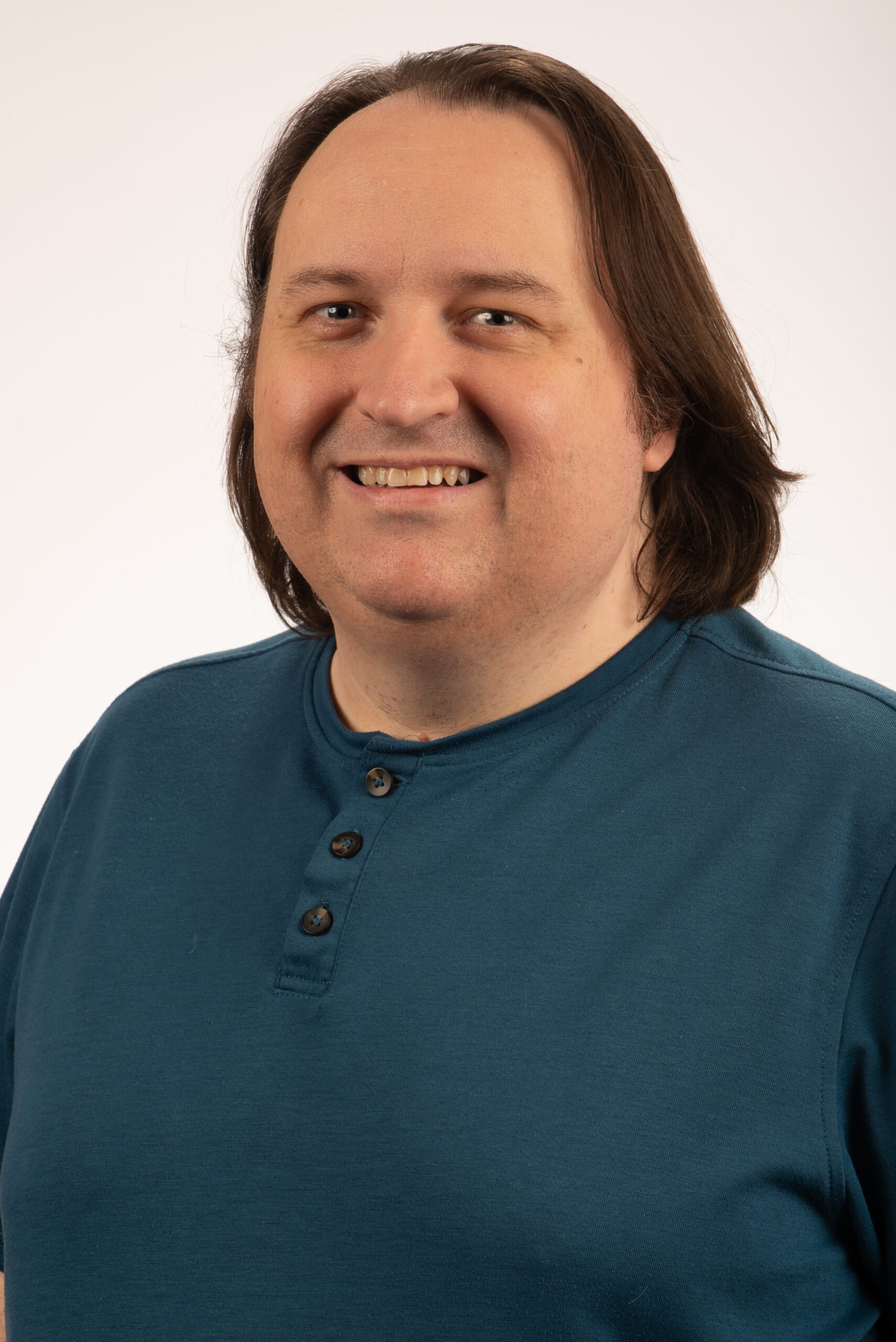
Author, William M.
One of the main principles that guides People First chapters is contributing to the communities where they live. This principle helps connect chapters to the larger surrounding community. Each People First Chapter decides how they want to give back to their communities. Some chapters have officers carry out these duties and others have the whole chapter work on them. What people first advocates do for their communities is voted on during the meetings. Some chapters decide to give money to charities or other needy causes, while others do things like take donations of food or blankets to the animal or homeless shelters, or pick up trash.
There are many different ways advocates can support their communities. One way is providing financial assistance to people in need. They can do this in a number of ways, such as donating money from the funds the chapter has. They choose a cause to give money to and vote on an amount to give. In Chico we voted to give $100 to fire victims in Maui. The process to do this is simple: one person makes a motion to donate money and then another motion is made to vote on the amount. Chapters have to follow rules to make sure every member’s voice is heard. This process makes giving back to the community a real team effort. Another method chapters use to financially support communities is doing fundraisers. Again, the chapter votes on a motion to have a fundraiser. In the past chapters have had fundraisers at a pizza parlor where a certain amount of the sales went to the chapter’s chosen cause. One chapter decided to support the PFCA with the proceeds made from a fundraiser. The funds were given to the People First of California board so they could decide how to use the money. Fundraisers are a great way to get the word out about what People First is and what they do for people with disabilities. Advertising the fundraiser gives advocates a chance to invite their friends to come to future meetings and help the chapters grow stronger with new members. It goes further than potential membership growth – it also lets the community see what people with disabilities are capable of if given a chance. Providing money to people and causes shows the community that individuals with disabilities can be full citizens in the places where they live. It also shows people that people with disabilities are capable of things beyond their disability.
Financial support is not the only way People First chapters decide how support their communities. In their meetings they also do things like donate food or have guest speakers come and talk about things that are important to them. The Red Bluff chapter is making pet beds from old People First shirts. They are donating the beds to people who need them. This is an example of a chapter doing something for their community without asking for anything in return. By making pet beds, People First advocates are showing people they care about the place where they live. It allows the community to see what people with disabilities can do if given the support that everyone needs to grow. Doing things for the community like making pet beds provides self-advocates a chance to learn skills they can use outside their chapters. These skills can be used for gaining employment or just to teach others how to do them.
Chapters do things outside their meetings for the community as well. Some chapters have members ring the Salvation Army bell during the holiday season while others go to their programs and share what they learn at the meetings. Going out into the community can be scary for anyone, especially for individuals with disabilities. By challenging themselves, People First advocates show their communities that they are there to support people to the best of their abilities. It only takes the community giving them a chance to show off what they can do. By supporting charities like the Salvation Army, People First advocates are contributing their time and effort to worthy causes right where they live. People First will continue to offer its support to anyone who needs it. Advocates only need to be given an opportunity to show off what they can do. Self-advocates can bring their ideas for contributing to the community to their chapters anytime they feel comfortable doing so. They can even ask chapter officers to talk about them if they prefer. This supportive environment is important for allowing people to become more comfortable in voicing their thoughts and opinions. No one has to contribute anything unless they feel comfortable doing so. By giving a safe environment, People First is giving people with disabilities a chance to serve their communities. Going forward People First members will look for ways they can contribute support for the places they live. It may be volunteering to help clean up a park or just donating books to the local library. Whatever the activity, People First members will be out in their communities doing the best they can for all who need them.
Enhancing Emergency Preparedness: Adrian Hugo’s Insights from Indian Valley Fire Department and FNRC

Author, Tre K.
INDIAN VALLEY & CHICO, Calif. – Emergency preparedness is a critical component of community safety, particularly for individuals with disabilities who may face unique challenges during disasters. Experts from both the Indian Valley Fire Department (IVFD) and the Far Northern Regional Center (FNRC) emphasize the importance of proactive planning and community collaboration to ensure the safety of all individuals during emergencies.
According to Adrian Hugo, a volunteer firefighter with IVFD and a member of the Far Northern Coordinating Council’s Consumer Advisory Committee, preparedness begins with a simple yet crucial principle: “Be ready at all times. Have a plan of escape if anything goes wrong. Be aware of your surroundings and obey all rules that emergency personnel tell you.”
One of the most common mistakes individuals make is failing to pack essential supplies. “People usually forget their medications, birth certificates—just basic stuff to hold them over in case they’re gone for a long period of time,” Hugo noted.
FNRC takes a proactive approach by ensuring that its clients, particularly those with disabilities, are well-informed and protected. Travis McIvor, Emergency Response and Safety Assistant at FNRC, utilizes the Everbridge notification system to send timely alerts to affected individuals. “That notification contains information on whatever type of actions they need to take,” McIvor explained. Emergency training is a priority for both IVFD and FNRC. IVFD conducts regular exercises, including chimney fire, solar panel fire, and emergency deployment training. FNRC, on the other hand, integrates state and federal emergency management updates into its training programs. “Most of the emergency prep that the staff receive is going to be directly from me,” McIvor said. “I try and stay updated on all policies and reflect that back to the staff.”
Both organizations stress the importance of having an emergency go-bag, planning evacuation routes, and rehearsing these plans. “I can’t stress enough—have a plan. Make sure other people are included in the plan,” McIvor urged.
Large-scale emergencies pose significant challenges for both first responders and affected individuals. Traffic congestion during evacuations is a major concern. “People not being vigilant and everyone leaving at the same time congests the highways,” Hugo explained.
For FNRC, the expansive and often remote nature of its nine-county service area presents unique obstacles. “We have staff all over the North State, and when they’re out there, they put themselves at a higher risk,” McIvor noted. To mitigate this, FNRC has implemented a system that notifies McIvor whenever a staff member calls 911, allowing for immediate intervention if necessary.
Accessibility remains a key focus for emergency preparedness. Hugo emphasized the need for emergency shelters to comply with the Americans with Disabilities Act (ADA). “Make sure they have the stuff that people with disabilities need,” he stated.
McIvor works closely with local emergency personnel to provide training on assisting individuals with disabilities during evacuations. “I get a lot of questions from community leaders on how to handle individuals with disabilities because it’s not something that is necessarily thought of a lot,” he noted.
Both IVFD and FNRC highlight the importance of community support in emergency response. “Just help each other out,” Hugo advised. “Make sure you have a buddy system, keep your family safe, and ensure your surrounding neighbors are safe as well.”
Post-disaster recovery efforts at FNRC involve connecting clients with essential resources such as financial aid, insurance support, and mental health counseling. “I will track down and locate voluntary organizations that can supply food and clothing,” McIvor stated. “That way, clients can try and be a little more comfortable during displacement.”
Both organizations stress the need for continuous preparedness efforts. McIvor recommends updating emergency kits and revisiting evacuation plans bi-annually. “Having your equipment ready, having a good plan, and then finally, practicing that plan—it could really save lives,” he said.
For those needing assistance, FNRC remains a dedicated resource. “If anybody is struggling with creating these plans, please reach out,” McIvor encouraged. “I can do whatever I can to assist and help establish a good plan for that particular organization, vendor, or even individual.”
With disasters becoming more frequent and severe, the collaborative efforts of the Indian Valley Fire Department and the Far Northern Regional Center play a crucial role in ensuring community safety. Through training, proactive planning, and the use of advanced technology, both organizations continue to enhance emergency preparedness, ensuring that no individual is left unprepared in times of crisis.
Kimberly Leeseman on Self-Advocacy: “Standing Up for Your Rights”
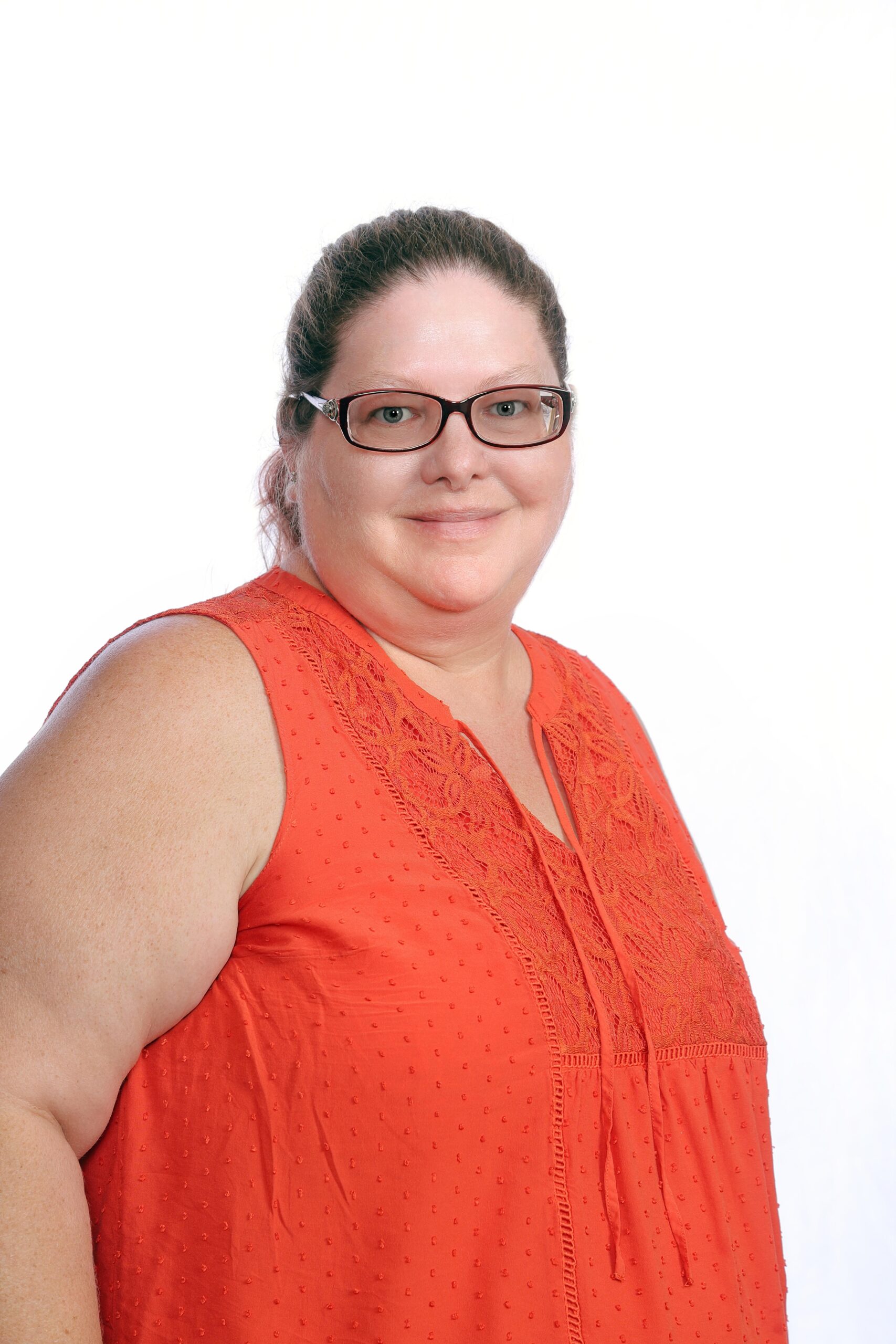
Author, Tre K.
Self-advocacy is a vital skill for individuals navigating personal and legal challenges, particularly those with disabilities. Kimberly Leeseman, a board member of the Consumer Advisory Committee (CAC), defines self-advocacy as “standing up for your rights and standing up for others that don’t have a voice, or are afraid to use their voice.”Leeseman emphasizes the importance of speaking up, stating, “Strong skills they need to have will be to not be afraid to speak up for themselves and for others. And to help others advocate for themselves.”
However, the journey to self-advocacy is often met with obstacles. According to Leeseman, one of the biggest challenges is “professionals getting in the way.” She recalls a personal example of a friend who “has been going back and forth with court and has grown to be a big self-advocate through the court system, advocating for herself and her kids.”
For those new to self-advocacy, Leeseman suggests taking gradual steps. “Take small steps of advocating for yourself. Advocate for small things and then work your way to bigger things,” she advises.
Navigating the legal system can be particularly challenging for individuals with disabilities. “Not being heard and listened to” is a significant barrier, Leeseman notes. She encourages individuals to seek out resources to understand legal jargon: “Go to the clerk’s office in the courthouse and ask what certain things mean. They can help you understand or call client rights organizations.”
Family members and caregivers also play a crucial role in supporting self-advocates. “Help them have notes written down when they go up to the judge so they don’t freeze up or forget what they’re trying to say,” Leeseman suggests.
Leeseman recounts another case where self-advocacy proved instrumental in a legal battle. “I know someone who has been going to court for years fighting this battle over her kid. She finally got full medical custody because the court system is slowly seeing her side since she’s a strong advocate for herself and her child.”
She believes persistence is key: “Keep striving for what you know is right. Ignore the negativity that has brought you to the situation.”
Advocacy groups and organizations serve as essential support networks, providing guidance and a platform for individuals to voice their concerns. “They are a support system. They are there to let you vent if you need to,” Leeseman says.
Regarding ensuring fair treatment in court, Leeseman acknowledges the challenges. “That’s a tough one because not all courts are the same. Sometimes you have to go numerous times in front of the judge to get them to finally listen to you.”
To make the legal system more accessible, Leeseman suggests, “The court system could be more understanding of a person with a disability. They understand things differently than most people and need time, not to be rushed.”
Building confidence and self-esteem are also crucial for effective self-advocacy. “Confidence and self-esteem make you feel more empowered when you learn to advocate for yourself and others. You gain more confidence and become willing to try new things outside of your comfort zone,” she explains.
For those hesitant to start advocating, Leeseman recommends seeking support from trusted individuals. “Talk to someone you trust about advocating. Start small, like stepping stones, until you can advocate for yourself.”
Leeseman’s message is clear: self-advocacy is a journey that requires courage, persistence, and support. By taking small steps, seeking guidance, and staying resilient, individuals can ensure their voices are heard and their rights upheld.
Reflections on Service: Andreas Economopoulos and Terry Morton Look Back on Their Time with the Far Northern Coordinating Council
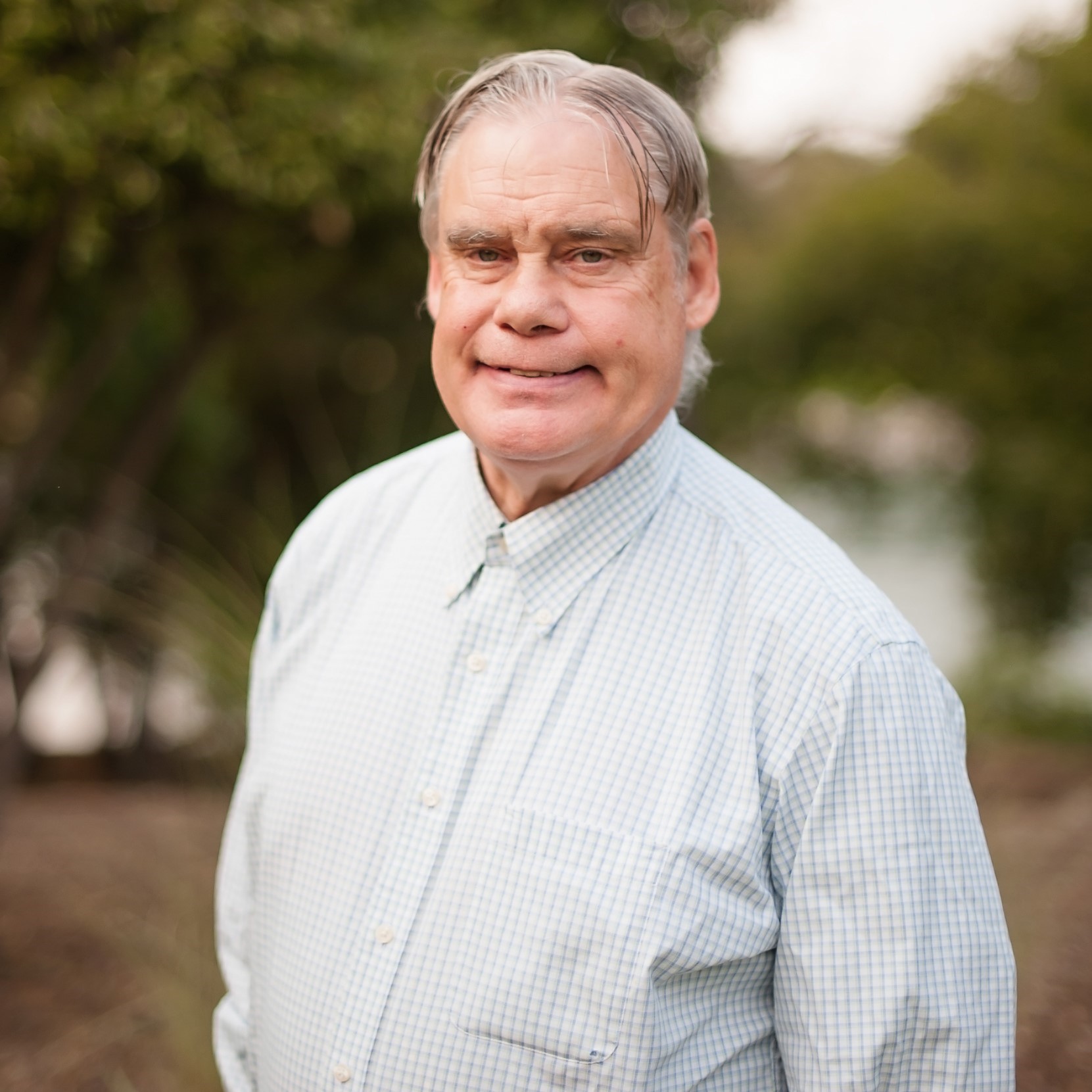
Author, Tre K.
Serving on the Far Northern Coordinating Council is more than just a leadership role—it is a commitment to advocacy, empowerment, and community building. For Andreas Economopoulos and Terry Morton, their tenures on the board have been transformative experiences, filled with personal growth, meaningful relationships, and an unwavering dedication to supporting individuals with developmental disabilities.
REDDING, Calif. — For Andreas Economopoulos, serving on the Far Northern Coordinating Council was about driving change and ensuring that individuals with disabilities receive the services they deserve. “I was noticing that not everybody that works for us really is for us,” he explained. “And so, that’s why I joined the Far Northern Regional Center board.”
During his time on the board, Economopoulos contributed to significant advancements in disability services, including the closure of state institutions and securing fair wages for individuals with disabilities. “During the time of me being on the board, words that people used to call us names would be gone. The state institutions went down, and those with disabilities never had to work for anything less than minimum wage,” he said.
Beyond his advocacy efforts, serving on the board led to personal growth. “When I first got on the board, I wasn’t controlling myself quite well,” he admitted. “I learned how to act like a better person. There were things that shaped my life.”
His dedication extended beyond FNRC, with his church appointing him as director of people with disabilities. He also became active in various community organizations, ensuring that individuals with disabilities had representation in leadership roles.
As he steps down, Economopoulos remains committed to advocacy and plans to support new board members with disabilities while continuing his work with organizations like the We Care A Lot Foundation. Though he considered a position with the State Council on Developmental Disabilities, he has chosen to focus on local efforts for now. “I think for a while, I want to step down from the big boards and take a break,” he said. “Maybe that could be something I can do later down the road.”
Looking ahead, he hopes FNRC continues to prioritize essential issues, particularly healthcare accessibility. “Right now, the biggest one is I hope they can help us fight for Medi-Cal, which people want to trash and get rid of,” he emphasized. “We need to continue to fight for things we know we don’t have the money to pay for.”
Terry Morton: Building Connections and Gaining Confidence

Author, Tre K.
CHICO, Calif. – For Terry Morton, joining the Far Northern Coordinating Council was an opportunity to meet new people, expand her knowledge, and contribute to her community. “I want to get out and meet more new friends,” she said. “I’ve been stuck in here without going out, and this gave me the opportunity.”
One of the most fulfilling aspects of her time on the board was the ability to assist others. “If people need help, I go to People First,” Morton explained. “I just let them know I’m on the board, and I can help answer questions.”
Throughout her time on the board, Morton gained valuable insights into disability services, particularly in navigating systems like Social Security and Medicare. “I started getting to know people,” she said. “I’m going to miss them because my term is up. But I learned a lot, like how to ask questions and understand things I didn’t know before.”
Engaging with the community was both rewarding and challenging. “Sometimes it was scary,” she admitted. “But my helper, Cindy, she got me started, helped me talk to people and go out. Without her, I probably wouldn’t have done it.”
As she steps away from the board, Morton plans to remain active in disability advocacy through People First meetings and upcoming conferences. She hopes FNRC continues to focus on securing financial support for those in need. “Trying to get better money to help people get straightened out is important,” she noted.
Reflecting on her service, Morton values the relationships she built the most. “The friends I made are what I’ll remember most,” she said. “I just want to stay safe, stay healthy, and keep in touch.”
Both Economopoulos and Morton have left lasting marks on the Far Northern Coordinating Council, each bringing unique perspectives and dedication to their roles. Their experiences highlight the power of advocacy, community involvement, and personal growth. As the Far Northern Coordinating Council moves forward, their contributions serve as a reminder that leadership is not just about decisions made in boardrooms—it is about the lives impacted and the voices uplifted along the way.
To download the full newsletter, click here [PDF, 14.40 MB].